Berlin: A Journey Through the Heart of Germany
A global capital of culture, history, innovation, and international influence
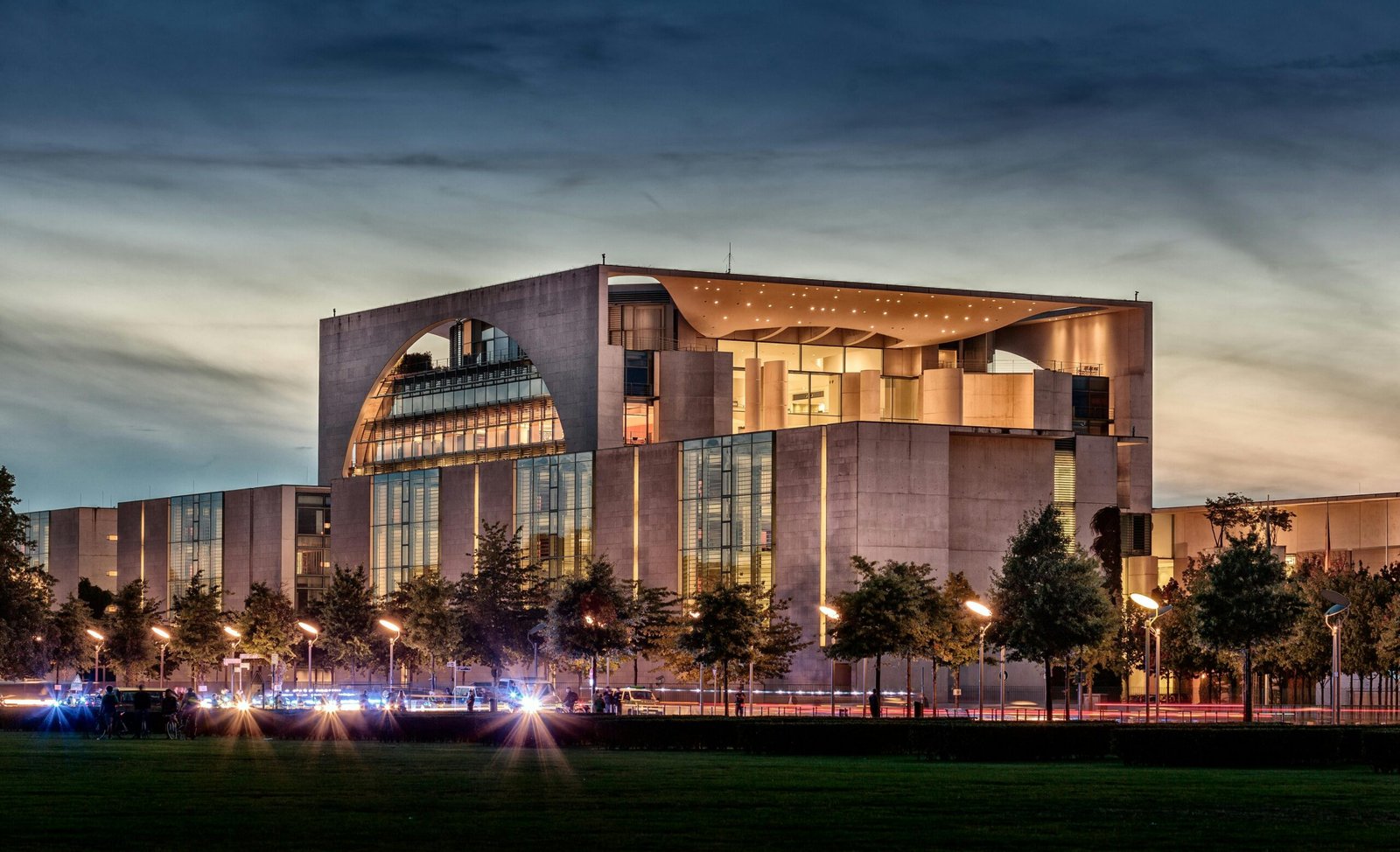
About Berlin
Berlin is not just a city; it is a living, breathing museum where centuries of Prussian history stand shoulder-to-shoulder with cutting-edge innovation. From its medieval roots on the Spree to the monumental transformation of the modern capital, Berlin has survived divisions and rebirths to remain a global beacon of culture, technology, and resilience.
Whether you are exploring the industrial-chic galleries of the East or witnessing the imperial grandeur of the Brandenburg Gate in Mitte, Berlin offers an experience that is both quintessentially German and unapologetically international. The city’s atmosphere is a unique blend of historic weight and avant-garde creativity, making it a destination that reveals new layers with every visit.
A Brief History: From the Spree to the Modern Metropolis
To understand Berlin today, one must look at its origins as a double-settlement on the River Spree. Founded in the 13th century, it grew from a regional trading post into the powerhouse of the Prussian Empire. Remnants of its medieval heart can still be found in the Nikolaiviertel, serving as a reminder of the city’s ancient riverside beginnings.
Prussian Grandeur and the Age of Enlightenment
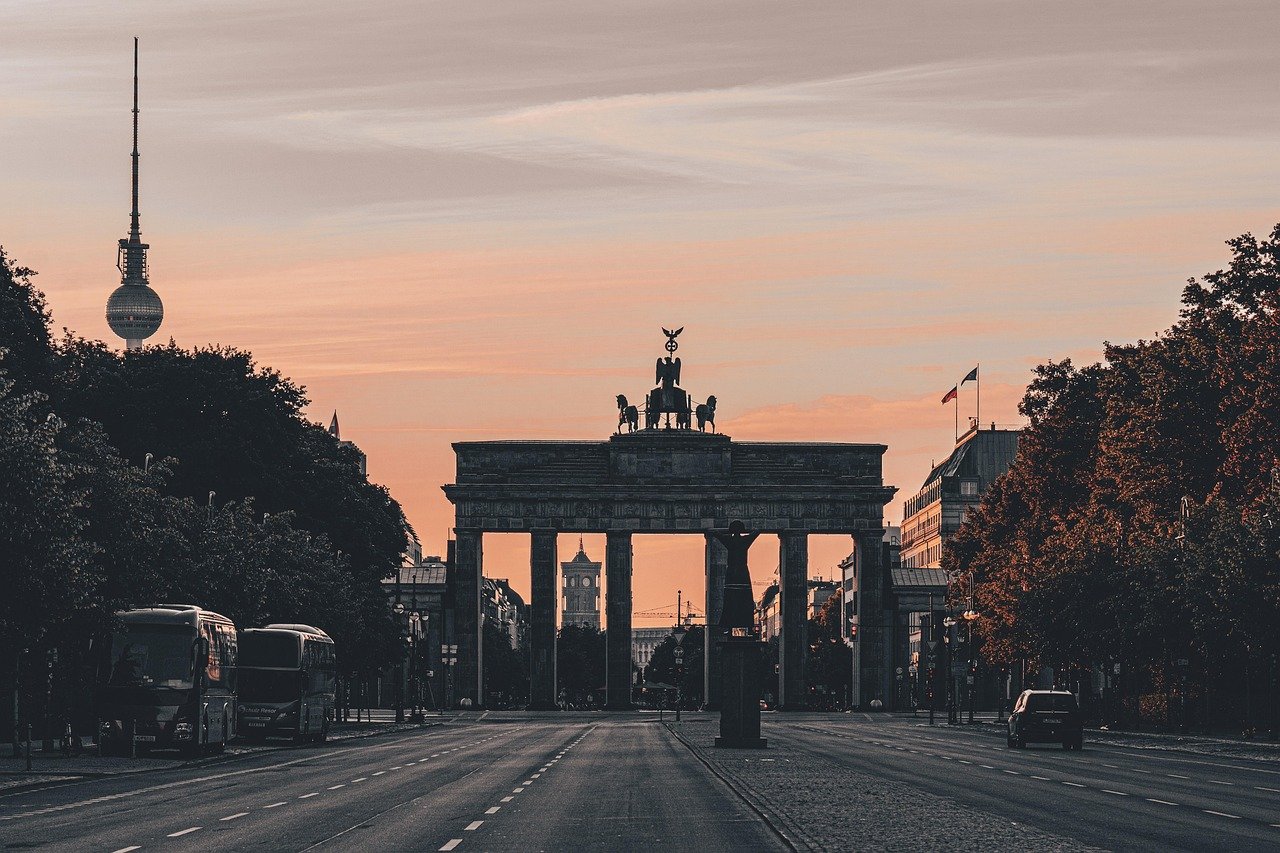
The 18th century marked Berlin’s transformation into a center of European culture and power. Under the influence of the Great Elector and Frederick the Great, the city saw the rise of architectural masterpieces like the Brandenburg Gate and the grand boulevard of Unter den Linden. This period established the “Prussian style” of stone and order that still defines the city’s historic center.
The Cold War and the Spirit of Reinvention
The 20th century saw Berlin become the epicenter of global history. The division of the city by the Berlin Wall created two distinct urban identities that merged after 1989. This era of reunification sparked an unprecedented architectural and cultural boom, turning former industrial “death strips” into the glass-and-steel hubs of Potsdamer Platz, making Berlin Europe’s ultimate city of rebirth.
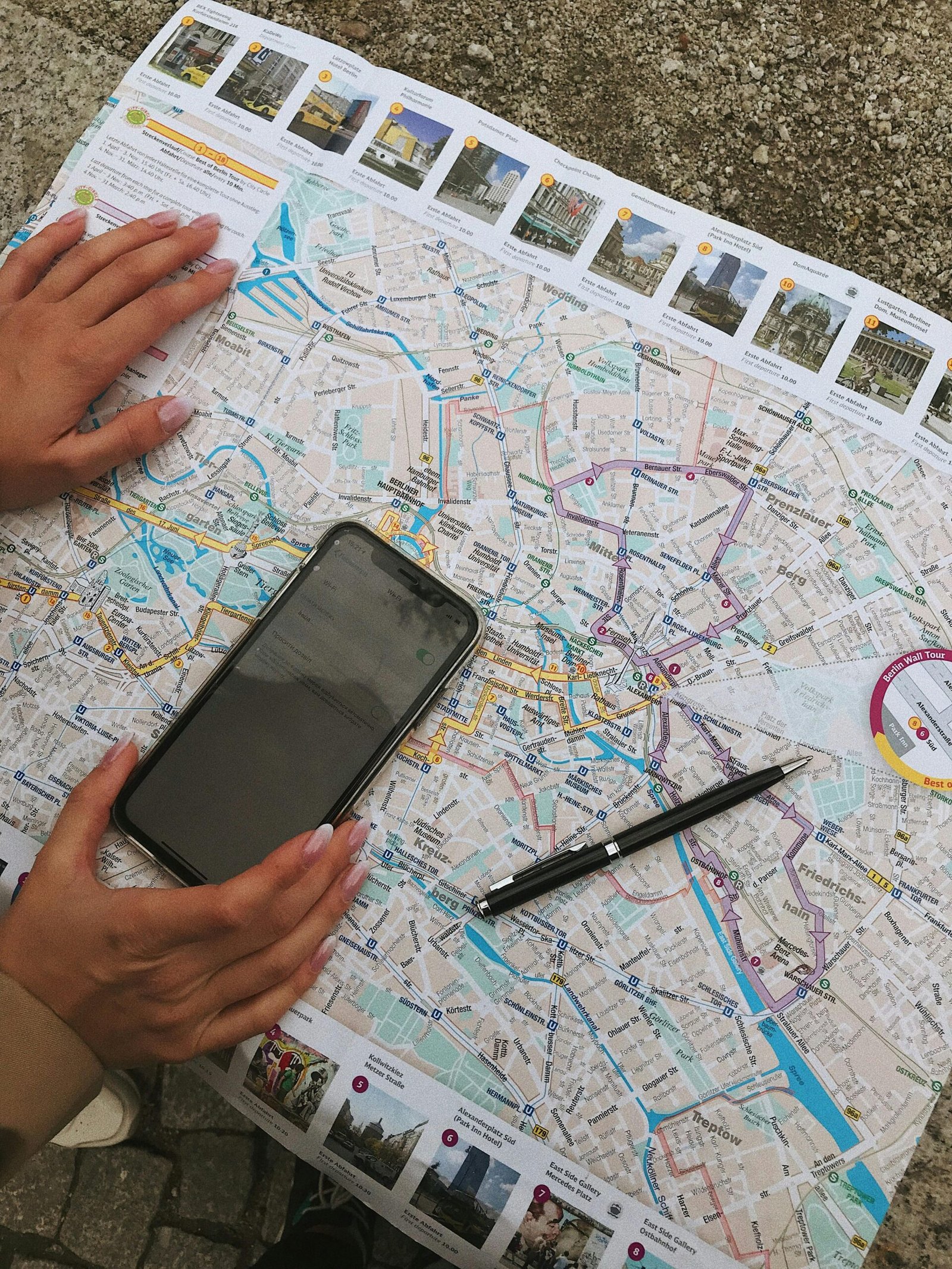
Navigating the Neighborhoods: Berlin’s Distinct Districts
Berlin is a “city of many centers.” Each district functions as its own hub with a unique personality, history, and aesthetic.
Mitte: The Historic & Political Heart
This is the Berlin of postcards. It is home to the Brandenburg Gate, the Reichstag, and Museum Island. Walking through these streets, you feel the weight of Prussian history and modern political power. As the city’s administrative center, it is the primary destination for any first-time visitor.
Charlottenburg: The Bastion of West-End Elegance
If you seek refined luxury, Charlottenburg is the place. Known for the grand Charlottenburg Palace, high-end hospitality, and iconic shopping on Kurfürstendamm, it remains the city’s tireless engine of traditional European elegance and commercial prestige.
Friedrichshain-Kreuzberg: The Edgy Creative Hub
Once a gritty industrial borderland, this area is now a canvas for world-famous street art, including the East Side Gallery. These districts are famous for their tech start-ups, vibrant nightlife, and the legendary independent boutiques and cafes of Bergmannkiez.
Iconic Landmarks You Can not Miss
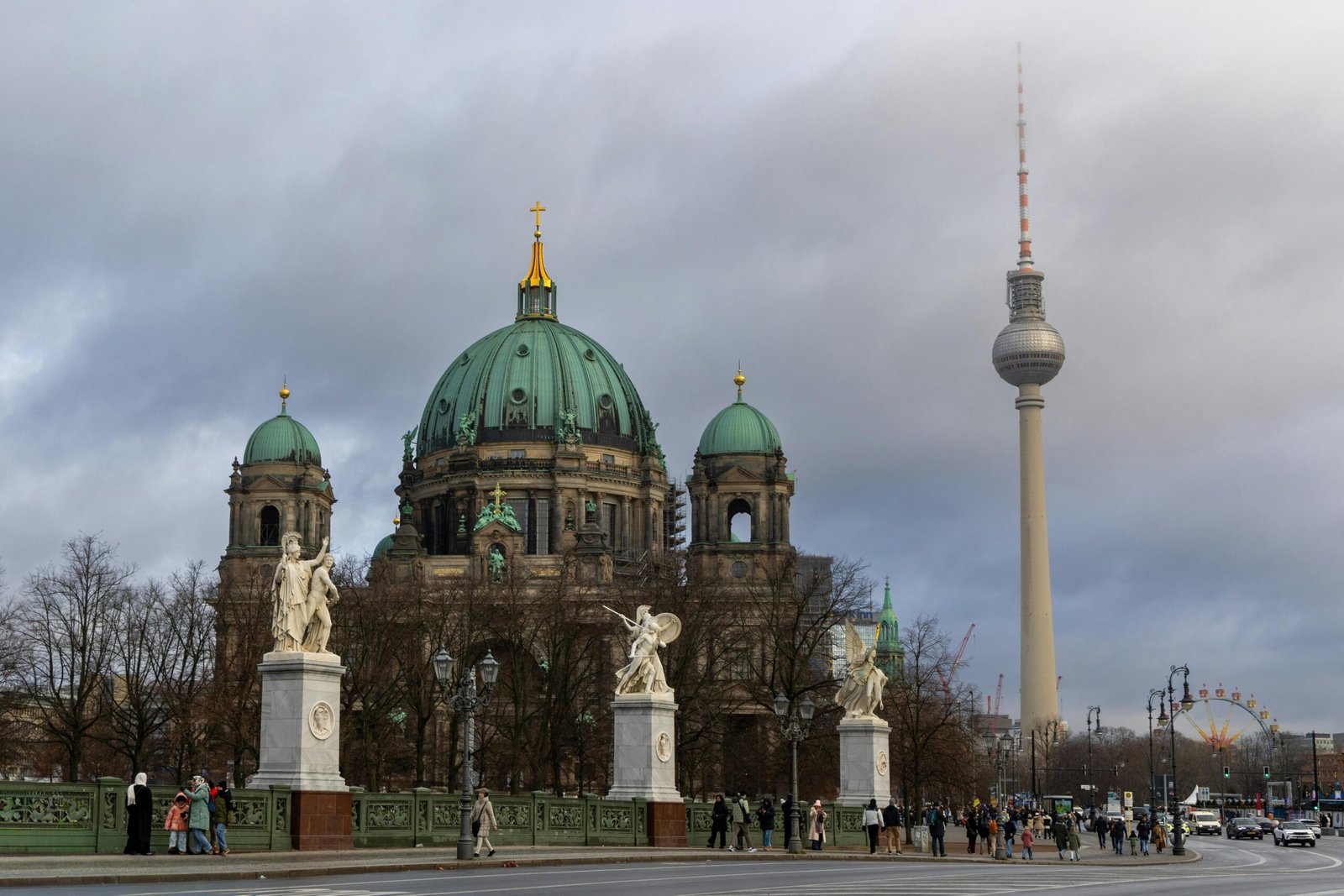
No visit to Berlin is complete without witnessing the landmarks that define the German capital.
- The Brandenburg Gate: A neoclassical monument and global symbol of peace and unity. It stands at the end of Unter den Linden as the city’s most famous historic gateway.
- The Berlin TV Tower (Fernsehturm): Standing at 368 meters, this iconic spire offers 360-degree views of the city skyline and is visible from almost every corner of the capital.
- Museum Island: A UNESCO World Heritage site dedicated to human history and art, housing five world-renowned museums including the Pergamon and the Neues Museum.
- The Reichstag Building: Home to the German Parliament, its modern glass dome provides a striking contrast to the historic stone facade, offering a unique perspective on the city’s rebirth.
The Essential Berlin Tradition: Kaffee und Kuchen
You cannot truly say you have experienced Berlin without indulging in Kaffee und Kuchen (Coffee and Cake). This afternoon ritual is a cornerstone of German social life, reflecting a culture that values the “Gemütlichkeit” of a relaxed afternoon break.
From the imperial opulence of Café Einstein Unter den Linden to the legendary tiered cakes at Konditorei Buchwald—a former purveyor to the Royal Court—it is a ritual of rich Black Forest cherry tortes, traditional apple strudel, and expertly brewed coffee. For a more contemporary experience, many visitors head to the Monkey Bar overlooking the Berlin Zoo for a “Kaffee” with a view, or the minimalist roasteries of Mitte and Prenzlauer Berg, which serve artisanal blends alongside modern, plant-based pastries inspired by the city’s creative food scene.

Berlin’s Gastronomy: From Currywurst to Michelin Stars
Berlin has evolved into a world-class culinary destination. The city’s food scene is a bold mix of traditional German comfort and avant-garde international flavors, boasting over 20 Michelin-starred restaurants and a street food culture that is second to none.
The Traditional Berlin Wirtshaus
The Wirtshaus or Biergarten is the social heart of the city. Whether it is a historic tavern in Mitte or a rustic garden in Tiergarten, nothing beats a classic “Wiener Schnitzel” or “Eisbein” (pork knuckle) accompanied by a fresh Berliner Kindl pilsner. Established spots like Zur Letzten Instanz, dating back to 1621, have hosted everyone from Napoleon to modern world leaders.
Markthalle Neun: A Culinary Institution
Located in the heart of Kreuzberg, Markthalle Neun is the premier destination for food lovers. This historic market hall is a sensory explosion of artisanal regional products, craft beers, and international street food. It is the best place to experience Berlin’s “Street Food Thursday” and witness the diversity of the city’s modern culinary landscape.
A Global Sporting Capital
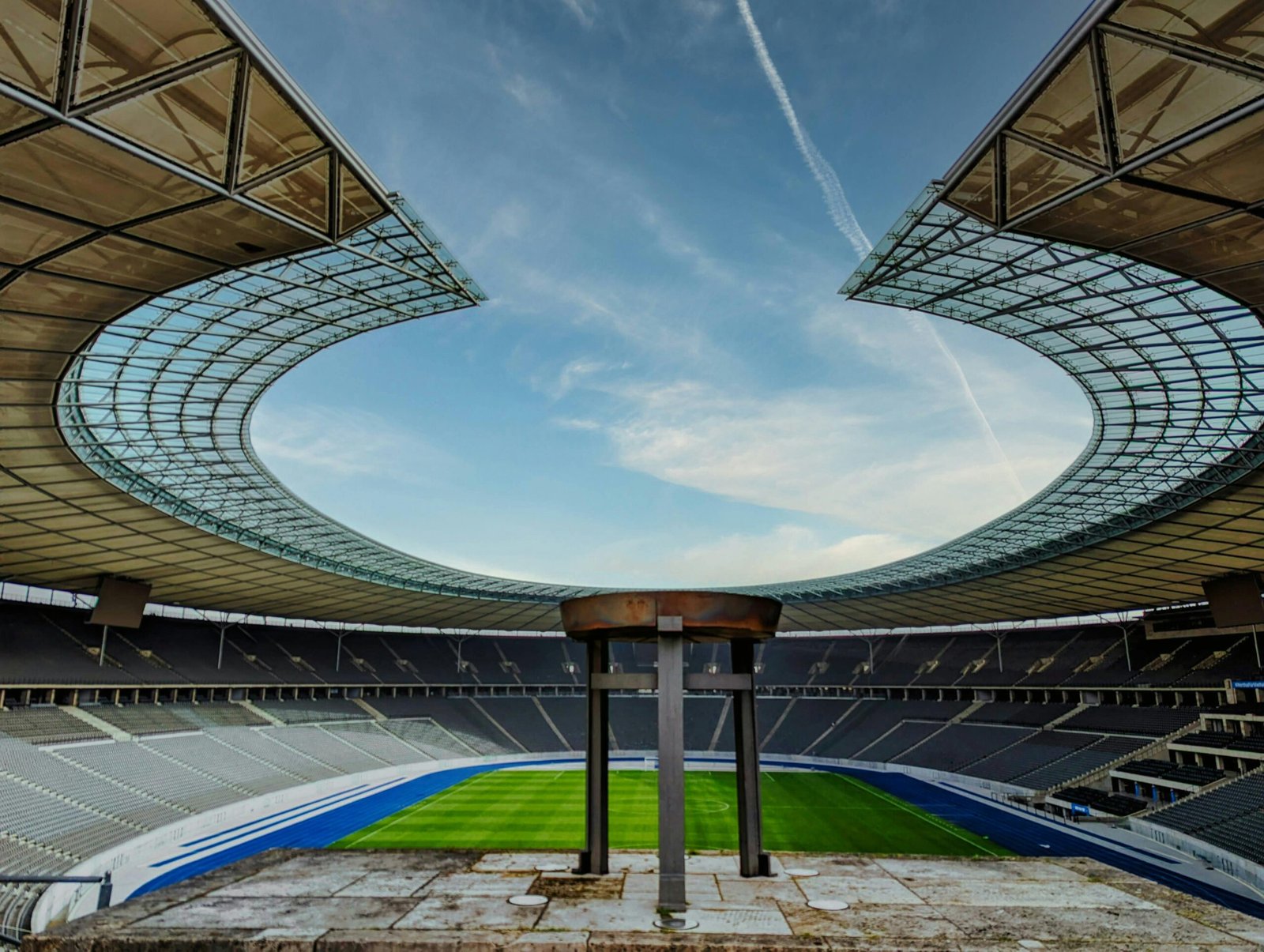
Berlin is a premier destination for international sport, having hosted the Summer Olympics and the FIFA World Cup Final. Its culture is defined by a deep passion for world-class competition and a legendary Olympic heritage.
Football: Berlin is home to historic professional clubs like Hertha BSC and 1. FC Union Berlin. A match at the Olympiastadion, known for its monumental architecture and electric atmosphere, is a pilgrimage for any sports enthusiast.
The Berlin Marathon: Every September, the city hosts one of the world’s fastest marathons. The course, which finishes at the Brandenburg Gate, has seen more world records broken than any other, making it a global magnet for elite athletes.
Athletics: The Olympiapark Berlin remains a place of pilgrimage for fans of track and field. As a primary venue for major championships, it features the iconic blue track where legendary world records have been set, alongside a museum dedicated to its vast sporting history.
Parks and Green Spaces: The Lungs of Berlin
Despite being a vibrant metropolis, Berlin is one of Europe’s greenest cities, with approximately one-third of its area consisting of parks, forests, and waterways.
- Tiergarten: Berlin’s premier inner-city park, located in Mitte. It is famous for the Victory Column, the Berlin Zoo, and the serene “Café am Neuen See” biergarten. Historically a royal hunting ground, it now serves as the city’s sprawling green heart.
- Tempelhofer Feld: A massive park on the site of the former Tempelhof Airport. It is a unique urban space where the original runways remain intact, used by locals for cycling, skating, and kite festivals across 300 hectares of open land.
- Grunewald: The largest forest area in the city, located in the west. It offers 3,000 hectares of hills and woodlands along the Havel River, where wildlife is abundant and the historic Grunewald Hunting Lodge stands as Berlin’s oldest palace.
- Gardens of the World (Gärten der Welt): Located in the east, this expansive park features meticulously themed gardens from around the globe, including Chinese, Japanese, and Oriental-Islamic landscapes, offering a stunning botanical journey in one location.
Beyond the City: Iconic Day Trips from Berlin
While there is enough in Berlin to fill a lifetime, its location makes it the perfect base for exploring the diverse landscapes of Eastern Germany.
- Potsdam: Just a 30-minute train ride away, this UNESCO World Heritage city was the residence of Prussian Kings. It is home to Sanssouci Palace—the “German Versailles”—and the historic Cecilienhof Palace, where world leaders gathered to shape post-war Europe.
- The Spreewald: Accessible within an hour, this lush biosphere reserve is a “Venice of the North.” It offers a serene escape where you can navigate a labyrinth of small waterways in traditional flat-bottom punts, famous for its unique Sorbian culture and scenic riverside villages.
- Dresden: For those seeking Baroque splendor, a two-hour trip to the “Florence on the Elbe” is a must. Rebuilt to its former glory, the city features the stunning Frauenkirche and the Zwinger Palace, offering a deep dive into Germany’s rich artistic and royal heritage.
Shopping: From Grand Boulevards to Concept Malls
Berlin is a shopper’s dream, catering to every budget and style across its distinct urban centers.
- Kurfürstendamm (Ku’damm): The primary high-street hub of City West, featuring over 3 kilometers of shops and international flagship stores. It is anchored by KaDeWe, Europe’s largest and most iconic department store, famous for its opulent gourmet floor and luxury boutiques.
- Friedrichstraße: The home of central luxury in Mitte, featuring high-end brands and the elegant Galeries Lafayette, known for its stunning glass architecture and premium French fashion.
- Mall of Berlin: Located at Leipziger Platz, this modern retail giant offers around 300 shops, combining popular high-street brands with a massive food court in a sleek, contemporary setting near Potsdamer Platz.
- Bikini Berlin: A “concept mall” in a landmarked 1950s building. It is the place for alternative fashion, indie boutiques, and pop-up stores, featuring a rooftop terrace with direct views into the Berlin Zoo.
Practical Information for Your Berlin Journey
Getting Around: The Integrated Transport System
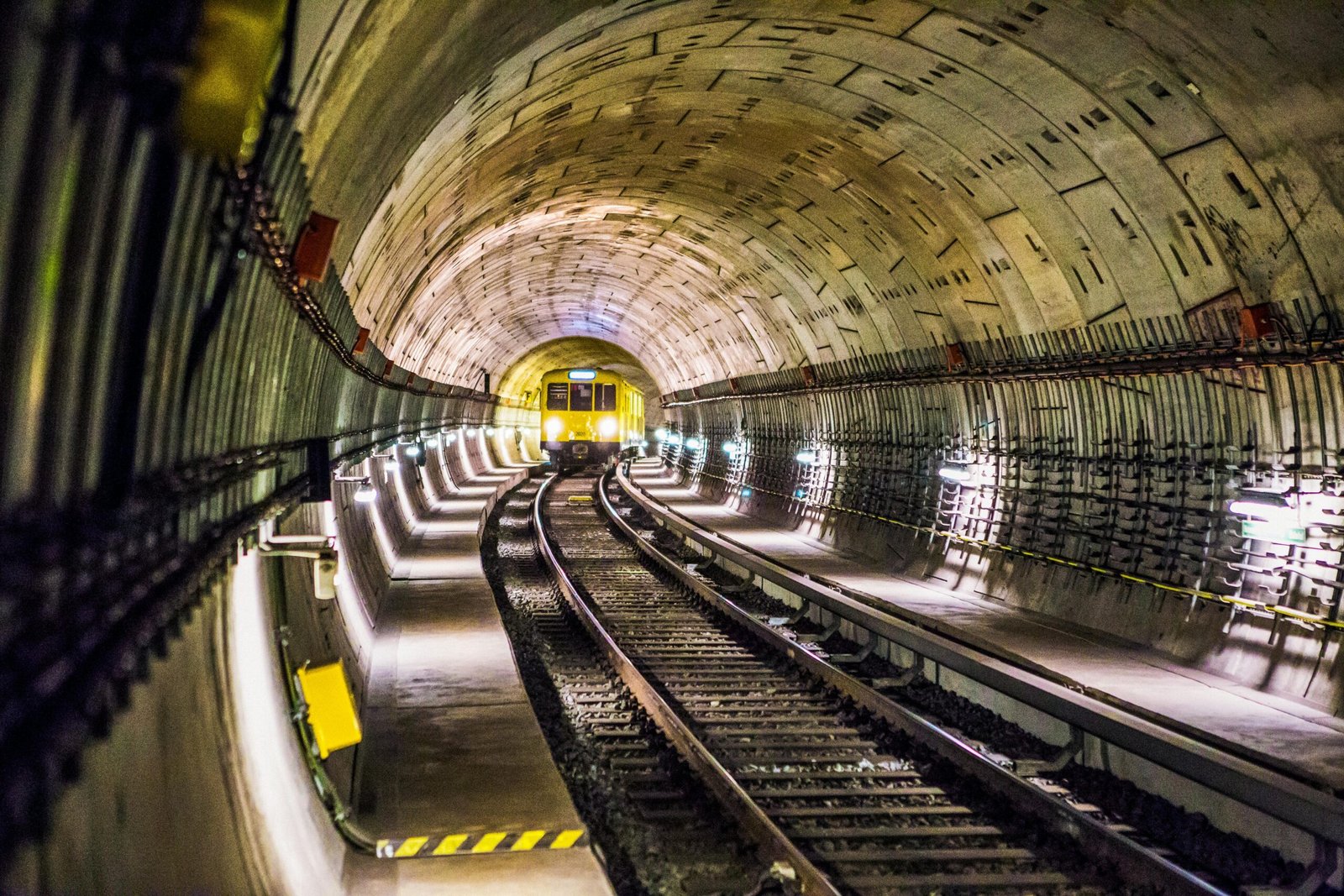
The Berlin transport network (VBB) is one of the most efficient in the world. It consists of the U-Bahn (subway), S-Bahn(urban rail), trams, and buses, all operating under a single ticket system that connects every corner of the city.
Tip: Berlin is divided into zones A, B, and C. For most visits, an AB ticket is sufficient. Always remember to validate your ticket at the small yellow or red boxes on the platform before boarding to avoid fines.
Weather and When to Visit
Berlin’s character shifts beautifully with the seasons. Spring (April-May) sees the city’s many beer gardens reopen; Summer (June-August) is defined by canal-side festivals and outdoor cinema; Autumn turns the Tiergarten golden; and Winter transforms the city with over 60 traditional Christmas Markets and a vibrant cultural indoor season.
The Secret Side of Berlin: Hidden Gems
While everyone knows the TV Tower, the true charm of Berlin lies in its hidden layers and repurposed spaces.
- Hackesche Höfe: A labyrinth of eight interconnected, beautifully restored courtyards in Mitte. This art nouveau complex is hidden behind a street-facing facade and houses independent boutiques, galleries, and workshops.
- Viktoriapark: Located in Kreuzberg, this park features a 66-meter high hill with a hidden waterfall. It offers one of the city’s most romantic viewpoints without the crowds of the major monuments.
- The Teufelsberg: A former Cold War listening station built on a man-made hill. Today, it is one of the world’s largest street-art galleries, offering a hauntingly beautiful architectural relic and panoramic forest views.
Conclusion: Why Berlin Continues to Enthrall
Berlin is a city that never stands still. Its ability to reinvent itself while honoring its deep historical roots—moving from its Prussian past and Cold War division to becoming Europe’s creative capital—is why it remains a global icon of resilience. Whether you are coming for the monumental history, the avant-garde art scene, the diverse food, or the legendary nightlife, Berlin doesn’t just welcome you; it invites you to become a part of its ongoing story of transformation.
Frequently Asked Questions About Berlin
Is Berlin a safe city for tourists?
Yes, Berlin is generally very safe and is considered one of Europe’s safer capitals. While petty crimes like pickpocketing can occur in crowded areas (especially around Alexanderplatz, major train stations, and popular nightlife districts), violent crime is rare. Standard “city smarts”—keeping your bag zipped and staying aware in busy transit hubs—will serve you well.
How many days do I need to see Berlin?
A 3-day trip is the “sweet spot” to cover the essential historic highlights and a few diverse neighborhoods. However, if you wish to explore the legendary nightlife, visit several of the world-class museums on Museum Island, or take a day trip to the palaces of Potsdam, a 4-to-5-day stay is highly recommended to avoid rushing.
What is the currency in Berlin?
Berlin uses the Euro (€/EUR). Unlike many other major capitals, Berlin remains a very cash-reliant city. While hotels and major retailers accept cards, many smaller cafés, independent boutiques, and “Spätis” (convenience stores) may be “Cash Only” or have a minimum spend for card use. It is always wise to carry some Euro notes and coins.
This is why Berlin is frequently chosen for international meetings, events, and professional programs.
Ready to visit Berlin?
Get in touch with our team today and get a free consultation about your upcoming trip!