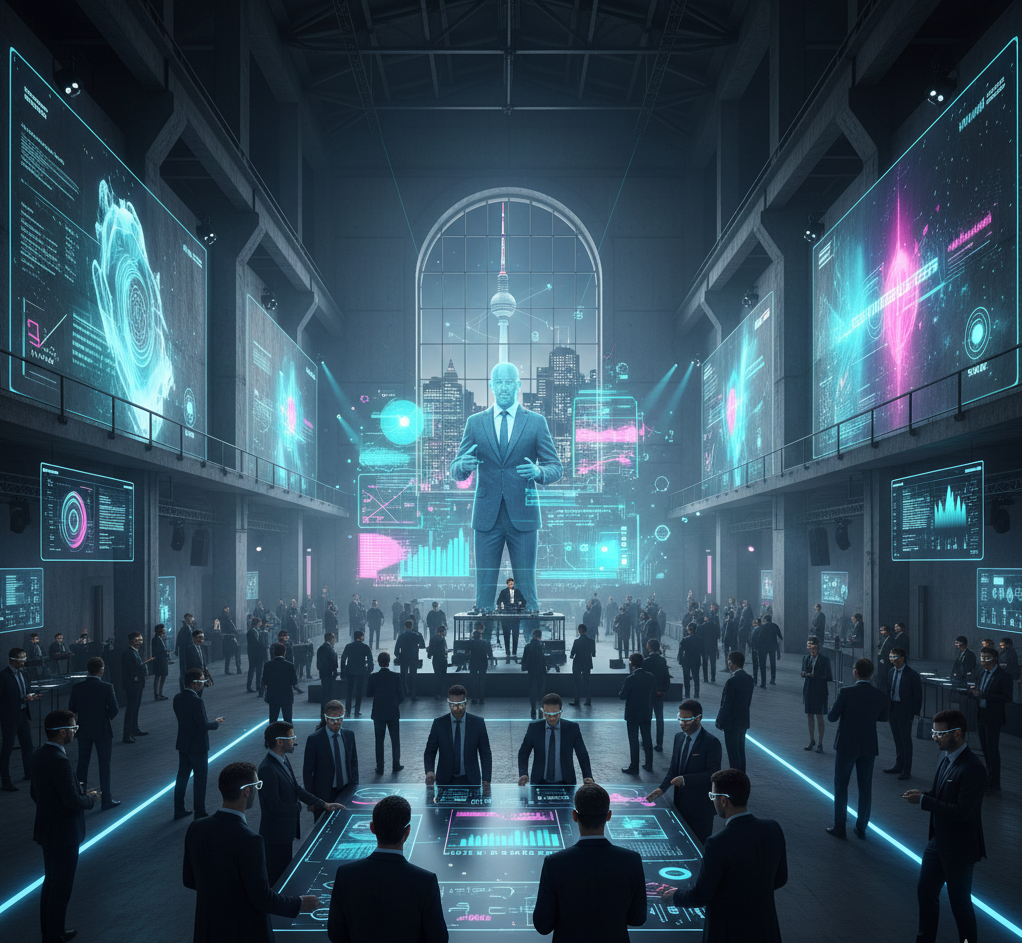
Beyond Reality: How Berlin is Pioneering “Phygital” MICE for Unforgettable 2026 Events
The future of MICE isn’t just physical, nor is it purely virtual. In 2026, the most impactful events are “Phygital” – a seamless fusion of physical presence and digital enhancement. Berlin, a global leader in creative tech and experimental urban design, has become the undisputed European hub for creating these hyper-immersive, data-rich experiences that redefine attendee engagement and deliver unparalleled ROI.
Decoding Phygital: Why Blending Worlds Matters More Than Ever
Phygital MICE in Berlin isn’t a gimmick; it’s a strategic imperative. As the city that bridged East and West, Berlin now bridges the physical and digital. In 2026, our phygital events offer:
- Expanded Reach: Global access via the Berlin Metaverse, boosting inclusivity for participants from Singapore to San Francisco.
- Enhanced Engagement: Layering AR and AI onto Berlin’s raw, industrial aesthetic for high-contrast branding.
- Deeper Data Insights: Tracking engagement both physically (through IoT-enabled wearables) and digitally to map the “Creative Pulse” of your event.
- Sustainable Footprint: Aligning with Berlin’s 2026 Zero-Waste Initiatives by reducing physical collateral while amplifying digital impact.
- Personalized Journeys: Tailoring the “Berlin Experience” to individual preferences, from deep-tech workshops to underground networking.
The Psychology of Phygital: Why The Brain Craves Blended Environments
In 2026, we understand that “Digital Fatigue” is a physiological reality. By utilizing Neuro-inclusive design, Berlin events balance high-tech stimuli with human-centric “analog” zones.
- The Dopamine Loop of Gamification: By integrating digital leaderboards that reward physical exploration (like discovering a hidden pop-up in Kreuzberg), we trigger higher retention levels.
- Spatial Anchoring: Research shows the brain remembers information better when “anchored” to a physical location. Berlin’s iconic sites—from the Brandenburg Gate to Tempelhof—provide the physical anchor, while AR layers provide the data-rich context.
- Reduced Cognitive Load: Phygital wayfinding through the sprawling Messe Berlin isn’t just cool—it’s necessary. By offloading navigation stress to an AR interface, delegates arrive at sessions with more mental energy for collaboration.
The Berlin Ecosystem for Phygital Innovation: Where Reality Meets Digital
Berlin’s infrastructure and “Silicon Allee” talent pool are uniquely positioned to drive the Phygital MICE revolution.
Tech Hubs and Innovation Districts
From the Adlershof Science and Technology Park to the AI Campus in Mitte, Berlin is a crucible of innovation:
- AR/VR Developers: Specialized studios in Friedrichshain creating bespoke immersive content for industrial product launches and virtual factory tours.
- Holographic Display Specialists: For mind-bending presentations at the Berlin Congress Center (bcc) that blur the lines between physical and projected reality.
- AI & Machine Learning Engineers: Powering real-time translation and intelligent networking matchmaking in a city that attracts the world’s top tech talent.
Venues Redesigned for the Phygital Age
In 2026, Berlin’s infrastructure has reached peak phygital capability. Choosing a venue is now about bandwidth and integrated XR (Extended Reality).
- Hub27 at Messe Berlin: This ultra-modern hall is a ‘phygital’ content factory, featuring high-speed 6G nodes and seamless integration for massive hybrid throughput.
- The Estrel Berlin: As Europe’s largest hotel and congress complex, it offers dedicated broadcast studios and integrated AR layers for large-scale corporate summits.
- Kraftwerk Berlin: A brutalist masterpiece turned digital canvas. Imagine a product launch within this industrial cathedral, enhanced with 3D projection mapping and AR overlays.
- Palais am Funkturm: Combining 1950s elegance with 2026 tech, this venue features “hidden” high-speed nodes within historic architecture, perfect for AR-guided tours.
- Dark Matter Berlin: A bold choice for 2026, offering “theatre-style” immersive light and sound setups that allow remote speakers to appear as high-fidelity holograms.
- Siemensstadt Square: Berlin’s newly opened “City of the Future” provides a living laboratory for phygital events, where the entire district serves as an interactive, data-rich backdrop.
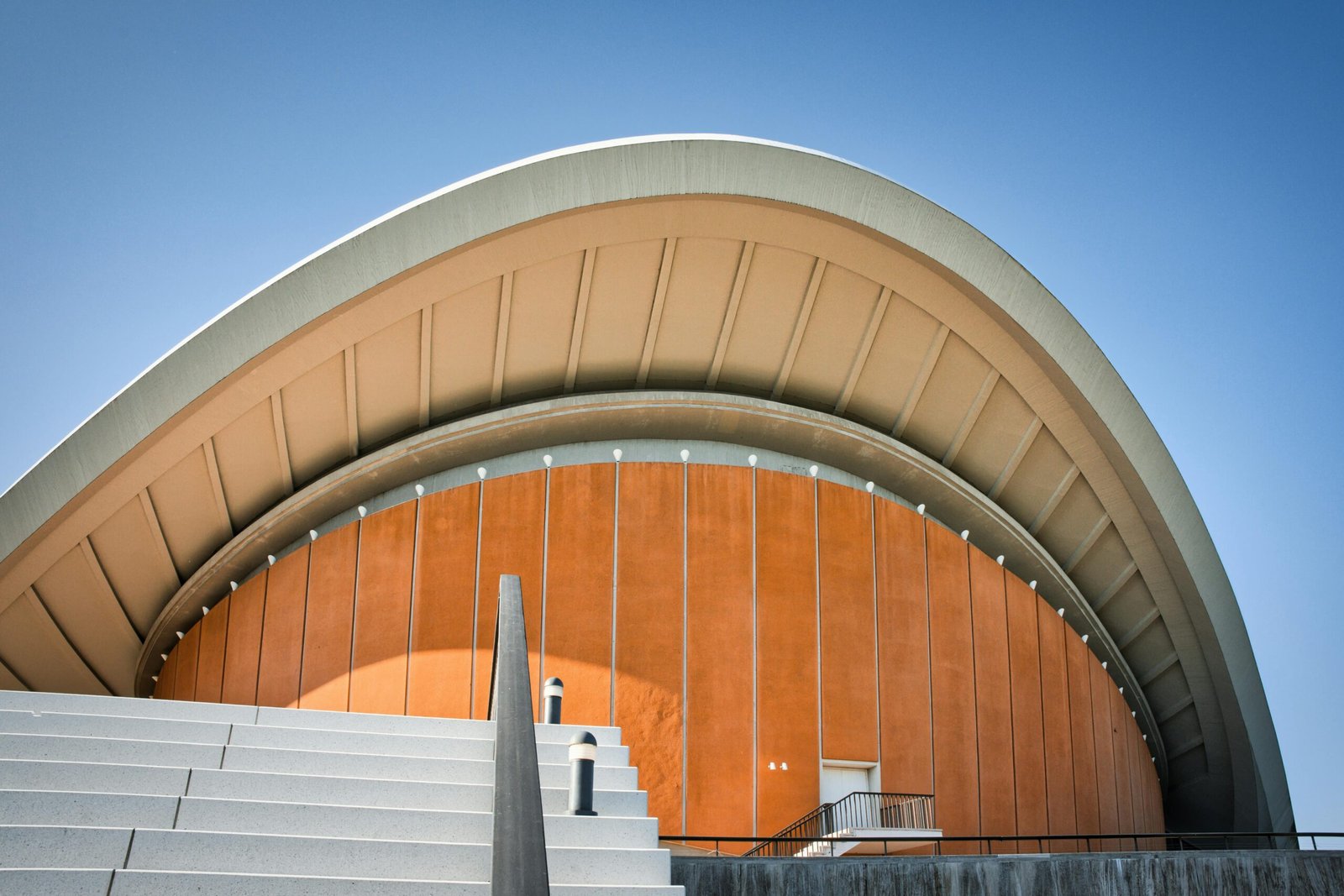
Core Pillars of Berlin’s Phygital MICE Experience
Berlin’s 2026 MICE strategy is built on the city’s reputation for open-source innovation and boundary-pushing creativity. We don’t just host meetings; we engineer digital-physical ecosystems that prioritize high-level engagement and German-engineered precision.
1. The Blended Attendee Journey: From Pre-Event to Post-Event
In Berlin, phygital is a continuous loop that maximizes the “Berlin Effect”—the inspiration that happens when diverse minds collide.
- Pre-Event Immersions: We offer Digital Twin venue tours where delegates can pre-walk the industrial halls of Kraftwerk or the sleek corridors of Hub27. AI-driven “Icebreaker” challenges allow attendees to begin networking in a 3D virtual lobby weeks before landing at BER Airport.
- On-Site Digital Layers:
- Augmented Reality (AR) Wayfinding: Navigating the massive Messe Berlin or the winding streets of Mitte becomes seamless with AR overlays. These layers don’t just show the path; they visualize real-time event data, speaker bios, and local sustainability metrics.
- Interactive Holographic Presentations: Speakers at the bcc (Berlin Congress Center) utilize gesture-controlled holograms to break down complex engineering or financial data, transforming a standard lecture into a cinematic, 3D experience.
- Wearable Tech Integration: Smart badges powered by Low-Energy Bluetooth facilitate frictionless lead exchange and cashless “Smart Catering” payments, while vibrating subtly when a delegate is near a pre-matched high-value connection.
- Post-Event Amplification: The event lives on through AI-curated “Action Packs.” Every attendee receives a personalized digital summary featuring VR replays of the sessions they attended and smart-links to the contacts they made on-site.
2. Hyper-Personalization: The AI “Berlin Fixer”
Berlin’s Phygital events leverage localized AI to act as a digital concierge, ensuring every minute in the city is optimized for ROI.
- Intelligent Matchmaking: Our AI algorithms analyze professional goals to suggest “Curated Collisions.” Whether it’s a deep-tech founder from Adlershof or a VC from Silicon Allee, the system ensures you meet the right person at the right time.
- Dynamic Content Delivery: The agenda adapts in real-time. If the AI detects a high concentration of interest in a specific tech demo, it can instantly schedule an “encore” session or push a deep-dive white paper to the attendees’ devices.
- Real-time Language Translation: Berlin is a global melting pot. We provide Low-Latency AI Translation—accessible through personal devices or smart glasses—breaking down language barriers in a city where international collaboration is the standard.
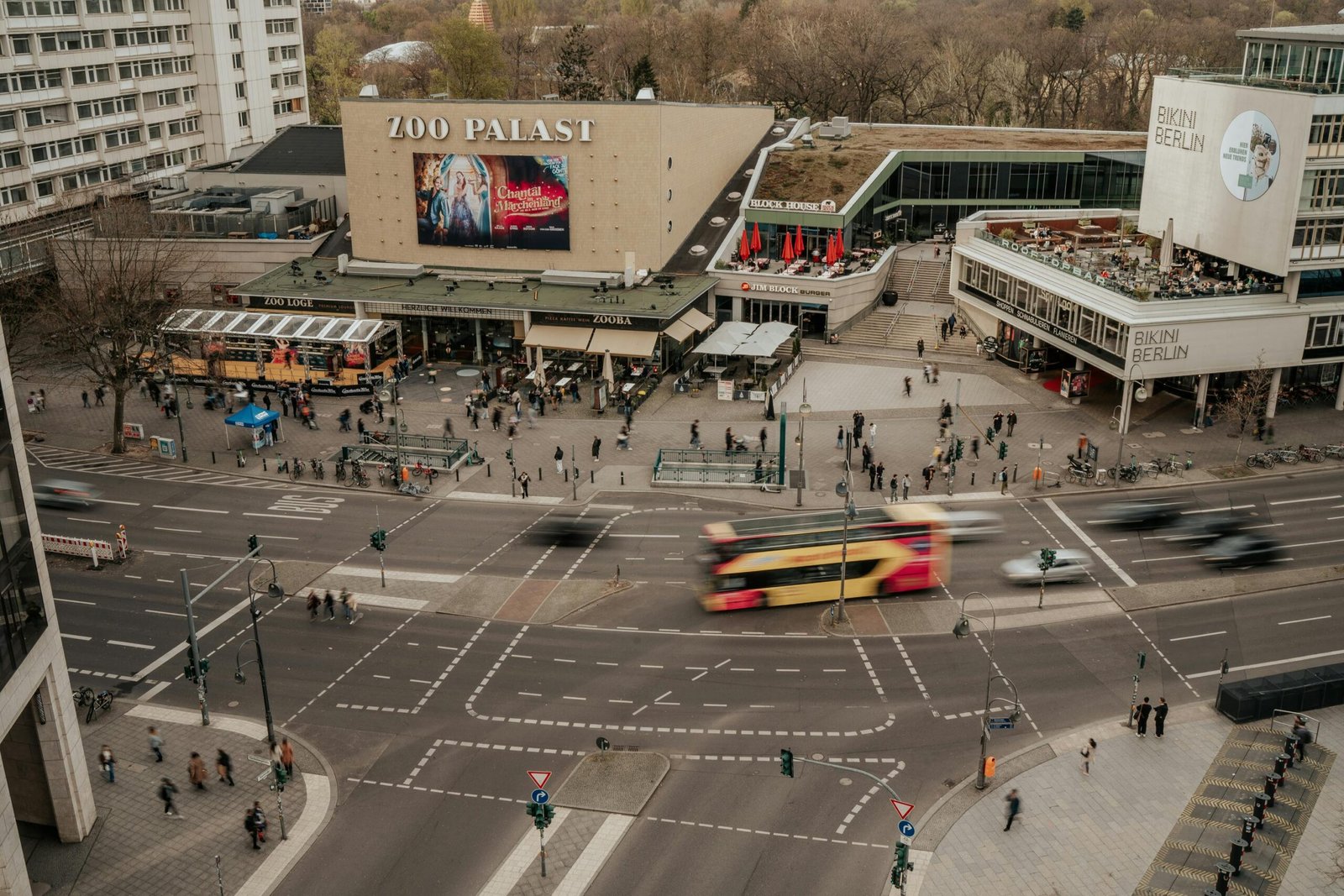
Data Ethics & The 2026 “Trust Protocol”
Privacy is no longer a footnote; it is the “vault” of the delegate experience.
- GDPR 2026 Compliance: Our Phygital ecosystem—from biometric check-ins to smart badges—operates on Privacy by Design. This means data is anonymized at the source, ensuring full compliance with the EU’s latest Digital Omnibus Package.
- Decentralized Event ID: Powered by blockchain, these IDs allow delegates to own their data. They grant exhibitors “one-time access” to specific contact details via a haptic handshake or QR scan, which can be revoked instantly via the event app.
- The Edge Computing Advantage: To maintain zero latency for AR/VR integrations without compromising security, we leverage London’s Local Edge Nodes. By processing data on-site rather than in the cloud, we minimize the risk of international data intercept and ensure lightning-fast interactions for virtual attendees.
Phygital for Impact: Measuring “Engagement ROI”
In 2026, we’ve moved from “how many attended” to “how much they felt.” We transform qualitative vibes into Engagement ROI.
1. Advanced Analytics & Predictive Insights
- Heat Mapping & Flow Analysis: Real-time sensors track movement within London venues (like the ExCeL or Battersea Power Station), identifying “hot zones” and bottlenecks to optimize traffic in real-time.
- AI Sentiment Analysis: Our AI monitors digital footprints and social pings during keynotes to gauge the “room’s mood,” allowing organizers to pivot content or energy levels on the fly.
- Predictive Engagement: Using historical data, we forecast which session formats—from campfire chats to “holographic panels”—will resonate best with specific demographics, ensuring a tailored experience for every delegate.
2. Blended Content Creation & Distribution
Phygital events have a “digital shelf life” that lasts long after the physical doors close.
- Interactive Digital Twins: We create 1:1 virtual replicas of the physical space. Remote attendees don’t just watch; they walk through the venue, interact with booths, and network in a metaverse-lite environment.
- Post-Event Micro-Content: Automated AI tools slice long-form sessions into “snackable” reels and LinkedIn-ready summaries, keeping the conversation alive for months.
Case Study: The 2026 London Global Fintech Summit
The Challenge: Connecting 500 VIPs at Old Billingsgate with 5,000 virtual stakeholders in Singapore and New York.
The Solution: We deployed a high-fidelity Digital Twin of the venue. To bridge the physical-digital divide, we used haptic gloves that allowed physical attendees to “feel” the texture of virtual prototypes being presented by a speaker 3,000 miles away.
The Result:
- 85% Higher Retention: Virtual attendees stayed engaged significantly longer than in traditional 2D webinar formats.
- +22% Lead Conversion: The seamless “Physical-to-Digital” pipeline resulted in a double-digit increase in qualified leads compared to the 2025 hybrid model.
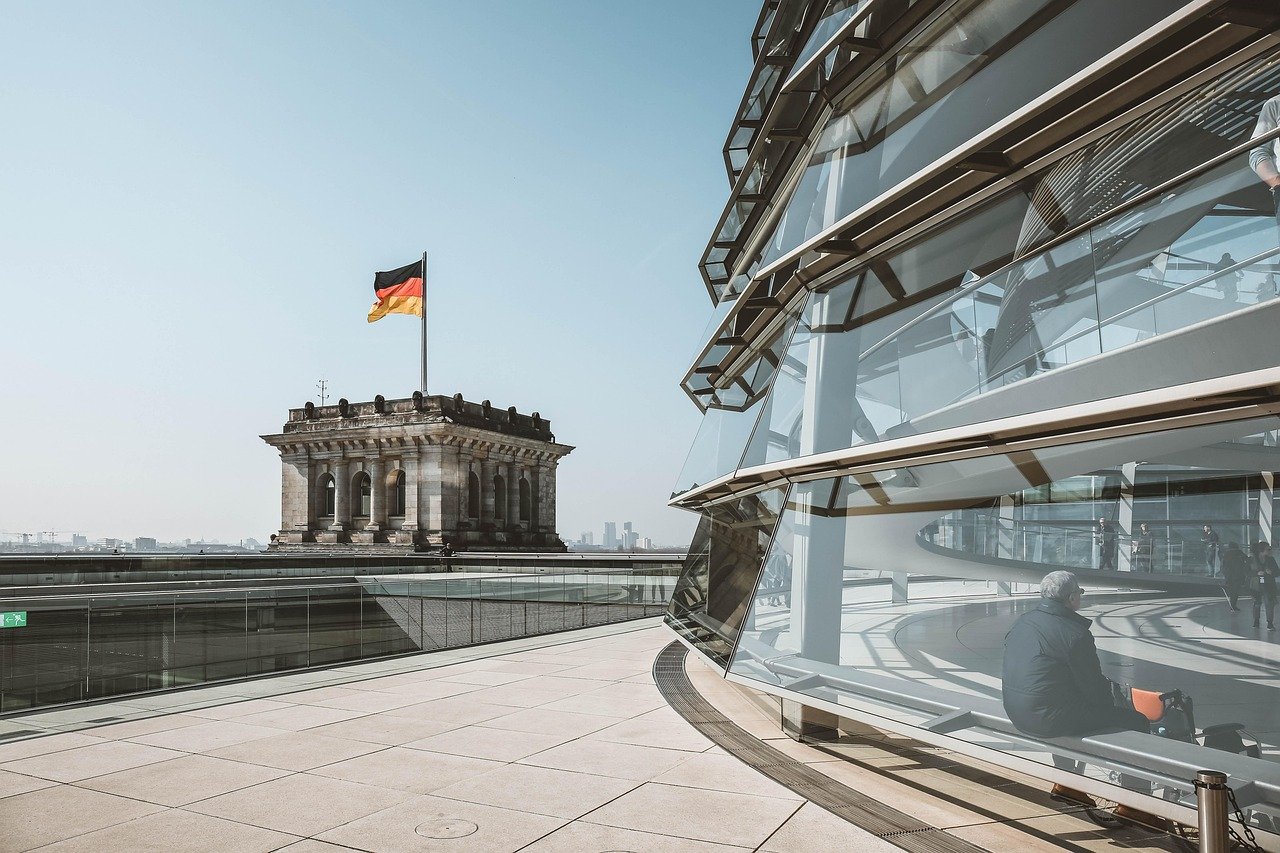
The Future is Now: Berlin’s Role in Shaping Phygital MICE
Berlin isn’t just adopting Phygital trends; it is the ultimate laboratory for them. In 2026, the city’s unique blend of raw industrial history, Europe-leading AI innovation, and a “circular-first” mindset makes it the premier environment for the next generation of Meetings, Incentives, Conferences, and Exhibitions (MICE).
As Berlin matures into the world’s most sustainable metropolis, it offers a playground where physical events are enhanced by digital layers to drive engagement and efficiency. Berlin is the ideal destination for:
1. Immersive Brand Storytelling
Berlin’s iconic landmarks are being reimagined through Spatial Computing and AR/VR. Imagine hosting a product launch at the Kraftwerk Berlin or Alte Münze, where historical industrial architecture serves as the canvas for digital overlays that bring complex brand narratives to life in real-time.
2. Deep-Tech Global Collaboration
Home to Silicon Allee and a thriving AI ecosystem, Berlin provides the technical backbone for seamless hybrid interactions. With a developer density 30% higher than the U.S., the city’s venues—from the Estrel Congress Center to the startup-centric Delta Campus—are equipped to facilitate high-fidelity remote collaboration across time zones.+1
3. Circular Sustainable Innovation
Berlin is setting the global standard for Green MICE. By leveraging digital tools to track carbon footprints and implementing “Circular Event” protocols, the city aims for a 50% reduction in event-related CO₂ emissions by the end of 2026. This allows brands to deliver high-impact experiences with near-zero waste.
Why Berlin in 2026?
| Feature | The Berlin Edge |
| Technology | Europe’s AI capital with events like GITEX AI Europe and WeAreDevelopers. |
| Venues | A mix of monumental spaces (Messe Berlin) and creative hubs (Spreespeicher). |
| Sustainability | Holistic ESG concepts, 100% green electricity, and regional catering baselines. |
| Measurement | Focus on Return on Engagement (ROE) through AI-driven attendee tracking. |
“In 2026, a great event space is no longer just about square meters; it’s about the atmosphere, the digital connectivity, and how work, culture, and creativity overlap.”